







A View from the Chair – Yvonne Metcalf
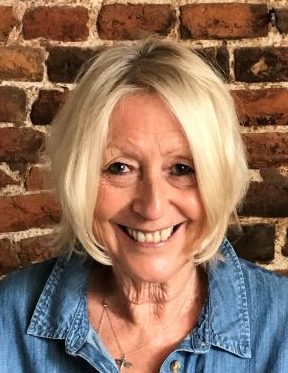
Writing this 12 days into the new Practice team taking over, we have seen changes already – encouraging given that Fernville had only 8 days formal notice of the new arrangement. I had contact with Kaushal Dave, the Managing Partner and Mandy Curtis, the Patient Services Manager the day after they took over and Lloanne, our secretary, and I met with them and Dr Patel, one of the GP Partners on 6th October. I was also able to meet with Allison Kingsbury, the general manager, at the flu clinic. If you have a look at Parkwood’s website, you will see a very different staffing structure and it is encouraging to see that Mandy’s role is dedicated to our experience as patients.
Our plan for the next few months is to build on our relationship with the new practice team, give them the chance to settle in, and then move forward with a proactive plan to ensure that patient needs are at the forefront of the service. There will undoubtedly be some hiccups – I had perhaps not appreciated the complexity of different systems- but a good start.
We have been very aware that communication with the surgery has been very difficult for some time now and we thought that it would be helpful to hear from them directly; you’ll see a link below to a welcome letter from the partners and management team.
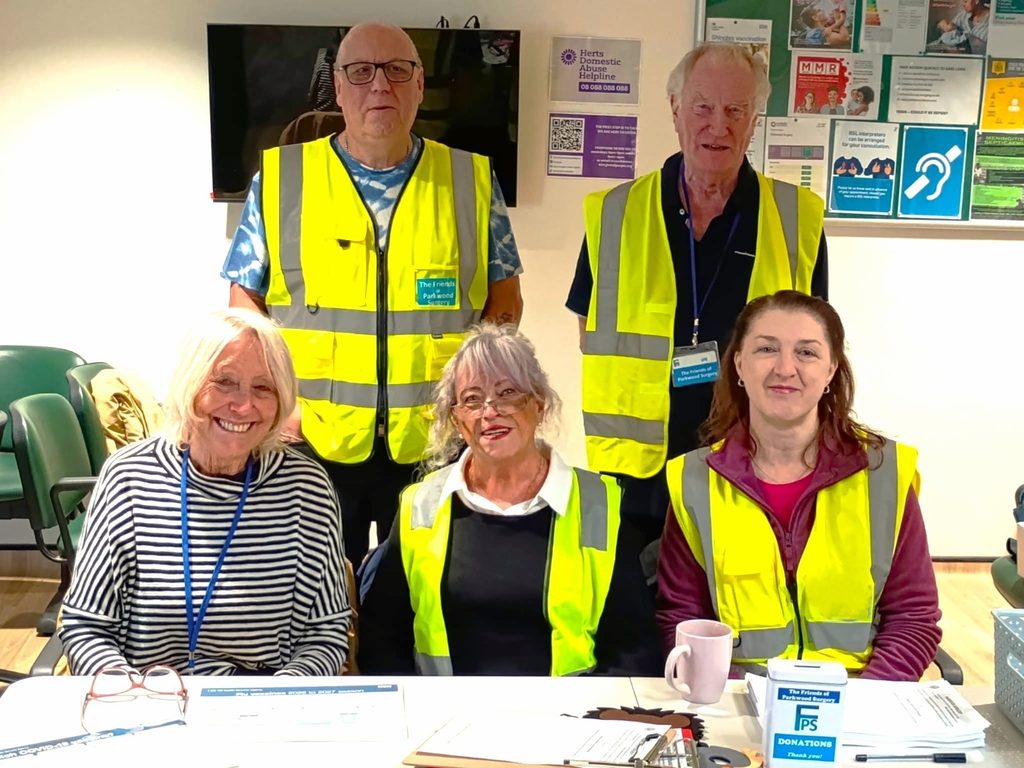
A few members of the committee supported the surgery at the ‘flu clinic on 10th October. We did a ‘meet and greet’, handed out forms, answered a few questions, and pointed people in the right direction for their jab. Most importantly it was an opportunity to meet with patients, important when there as been so much uncertainty in recent weeks. We hope our older patients liked our ‘pocket hugs’. We know that the under fives liked the little toys, the cars especially , by the smiles on their faces. The whole day ran smoothly with no car park issues this year !
News from the surgery

The new partnership and management team have produced a welcome letter for patients, outlining some of the key changes we might see.
These include:
- the introduction of ‘total triage’ to improve appointment availability
- plans for recruiting more doctors and clinicians
What has FPS been doing?
Come and see us at our monthly drop-in
Members of the FPS committee will be available to talk to at the surgery on Tuesday 3rd November between 2.00 and 4.00pm. Let us know what’s working and what isn’t, and what you’d like to see FPS doing more.
Check out the minutes of our meetings
The minutes from FPS’ monthly meetings, including our most recent October meeting, are available here.
Want to stay up to date?
One easy way to keep up to date with FPS’ events is to follow us on
our Facebook page. Every time we update the website, we’ll post a link there!
Unsubscribe from FPS communications
If you wish to unsubscribe from receiving communications about FPS, you will need to contact the surgery to ask for this note to be placed on your file. FPS does not hold any data on patients other than that provided directly by them, such as emails sent to the FPS mailbox
One Small Change: Get Outdoors

Why One Small Change?
We usually assume that to improve our health we need to make significant or dramatic changes, such as going to the gym, eating expensive superfoods or restricting calories. The problem with big changes is they need buckets of motivation, which can be difficult to keep going, and it’s why big changes often fail.
The good news is there’s a simpler approach: making small changes that are easy to do, so they’re easy to keep doing – and it’s keeping them going that delivers the benefits to our health.
Our series of articles, written by our secretary Lloanne, provide a few examples of the small changes you can try.
Spend Time Outdoors
Improving health doesn’t always require a dramatic transformation. In fact, the changes that last are often the quietest ones: a ten-minute walk after lunch, opening the back door while drinking a morning coffee, taking a meeting on foot, or choosing the route home that passes a park. These small decisions may look ordinary, but repeated over time they can reshape energy, mood, sleep and confidence.
The outdoors is a particularly powerful place to begin because it combines several health-supporting ingredients at once: movement, daylight, fresh air, a change of scene and contact with nature. Public health guidance consistently recognises that physical activity supports both physical and mental wellbeing, and that walking, cycling and other everyday forms of movement can be realistic ways to build activity into daily life.
Spending time outdoors can support health in several connected ways. Walking or cycling raises the heart rate and helps build cardiovascular fitness; gentle movement can loosen stiff joints and interrupt long periods of sitting; daylight can help regulate the body’s internal clock, which supports sleep routines; time near trees, water, gardens or open sky can also provide a mental reset, especially for people who spend much of the day indoors or in front of screens.
There’s also an emotional benefit to stepping outside. A familiar street, a local park or even a patch of green space can create a sense of perspective. Problems may not disappear, but they can feel less cramped when the body is moving and attention is widened beyond the desk, sofa or phone screen.
Start today!
· Take a five-minute reset walk. Step outside once a day with no performance goal. Walk to the end of the road, around the block or through a nearby green space.
· Attach outdoor time to an existing habit. Drink your first tea or coffee by an open window, in the garden, on a balcony or outside the front door.
· Choose one active journey. Walk part of the commute, get off public transport one stop earlier, or cycle a short local trip when practical.
· Move a phone call outside. If a call does not require notes or screen-sharing, use it as a chance to walk gently.
· Use nature as a pause button. Notice three things: the colour of the sky, the sound of birds or traffic, and the feeling of air on your skin.
The best health habit is the one you can keep doing. To make outdoor time sustainable, start with a version that feels almost too easy. Keep shoes, a coat or an umbrella visible. Pick a route that feels safe and convenient. Give yourself permission to walk slowly. If the weather is poor, shorten the habit rather than cancelling it altogether.
It also helps to focus on how the habit feels immediately, not only on distant health outcomes. After a short outdoor break, you may feel more awake, calmer, less stiff or more able to concentrate. These immediate rewards are what make the habit worth repeating tomorrow.
A Gentle Challenge
For the next week, try one outdoor change every day. Keep it small: five minutes is enough. Avoid measuring success by distance, speed or calories. Measure it by whether you stepped outside and gave your body and mind a chance to shift state.
Health improvement is often presented as a demand for more discipline, but it can also be an invitation to make life a little more breathable. Small outdoor habits remind us that wellbeing is built in ordinary moments. A few minutes outside today can become a routine, a routine can become resilience, and resilience can become a healthier way of living.