





A View from the Chair – Yvonne Metcalf
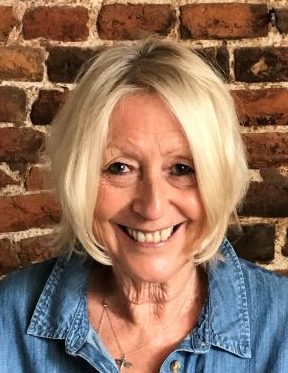
We’re now 6 weeks or so into having Fernville Surgery as our health care provider. As you will know, they are in a caretaker role until a permanent provider has been appointed. I’m sure those of us who’ve been to the surgery will have seen many changes, including practical things like patients facing the screens in reception, and I wonder if people have noticed that the screen stays on just a little bit longer so we can get to the bottom and read which room we’re going to. Fernville has introduced a management structure which supports the clinical staff and allows them to get on with what they’re employed to do: look after the health needs of patients. The management team is involved in managing all the business aspects of the practice, such as making sure the right systems are in place to provide patients with the high-quality care they need. Talking to reception staff, there is an air of ‘calm’ which has been absent for a number of years in the surgery. Quoting from David Astley OBE, a former NHS Trust CEO, ‘ Happy Staff make for Happy Patients ‘ Let’s hope this is something which will continue as Fernville beds in.
I had the misfortune of a bone fracture 5 months ago which has necessitated more visits to the surgery than I might have wished, but it has given me the opportunity to have first-hand experience of how the new systems are working. The major new system is ‘Total Triage’, where patients fill in a form, and I have found that the response has been speedy and more than acceptable going forward. Attending the surgery chat last week, we noticed less footfall in the surgery, which we are told comes from a much more structured way of managing demand. We in the FPS committee are very aware that not everyone is comfortable with new ways of working and with technology. We have been assured that help is at hand from receptionists if needed, either on the phone or in-person in the surgery. Have a look at the surgery website if you can – it explains how the surgery is now operating.
Members of the FPS committee will be at the surgery on 1st December from 2 – 4pm for our monthly ‘Surgery Chat’. Why don’t you pop along and tell us how you’re finding the surgery now? We also meet monthly with members of the practice, and it is vital we are able to give them feedback about how things are working for us as patients, especially at times of such huge change.
Updates from the Surgery

The team at the surgery wanted to let patients know of the changes coming to help make annual health reviews as purposeful and efficient as possible:
Your yearly health check-up
If you live with a long-term condition such as diabetes, asthma, COPD, high blood pressure or heart disease, your yearly review is one of the most important appointments you’ll have. It’s our chance to spot any changes to your health early, so we can continue to prescribe your medicines safely.
To make these reviews easier for you, we’re changing the way we run them at Parkwood Drive Surgery.
How your review will work from now on
- We’ll invite you in your birthday month, so it’s easy to remember when your review is due.
- If you have more than one condition, we’ll try to look at them all in the same appointment, so you don’t have to keep coming back.
- We’ll send you a text with a link to book online. It will also tell you about any tests you need beforehand, such as a blood test, a urine sample or a few days of blood pressure readings at home. If you don’t have a mobile, we will invite you by letter or phone call.
- After your review, a GP will look at your results. We’ll then send you a summary and let you know if anything else is needed.
If you have diabetes, we’ll also ask you to have a blood test about six months after your main review. If you’re housebound, we’ll offer you the same review at home. If you haven’t had a review in the last year, we’ll invite you in the same way, so keep a lookout for a text from us.
How you can help
- Make sure we have your current mobile number. Our invitations come by text, so if your number has changed, please let reception know.
- Book as soon as you get your invitation. The sooner you book, the more choice of appointments you’ll have.
- Do any tests you’ve been asked for before your review, such as home blood pressure readings or a urine sample. That way we can do everything in one visit.
- Can’t use the link? Just give us a call. Our reception team will be happy to book you in.
Thank you for helping us look after your health.
The team at Parkwood Surgery
What’s been happening with FPS?
Come and see us on 1st December
Members of the FPS committee will be available to talk to at the surgery on Tuesday 1st December between 2.00 and 4.00pm. Let us know what’s working and what isn’t, and what you’d like to see FPS doing more.
Check out the minutes of our meetings
The minutes from FPS’ monthly meetings, including our most recent November meeting, are available here.
Want to stay up to date?
One easy way to keep up to date with FPS’ events is to follow us on
our Facebook page. Every time we update the website, we’ll post a link there!
Unsubscribe from FPS communications
If you wish to unsubscribe from receiving communications about FPS, you will need to contact the surgery to ask for this note to be placed on your file. FPS does not hold any data on patients other than that provided directly by them, such as emails sent to the FPS mailbox
Healthwatch Hertfordshire

Have you heard of Healthwatch? It is Hertfordshire’s independent health and social care champion, there to make sure NHS leaders and other decision makers hear patients’ voices and use feedback to improve services. The government’s Health Bill planned to abolish Healthwatch, but at the end of last month this was withdrawn and the bill will be amended to strengthen it.
We’d be interested to hear if anyone has used Healthwatch and how you found it.
One Small Change: A Savoury Breakfast
Why One Small Change?
We usually assume that to improve our health we need to make significant or dramatic changes, such as going to the gym, eating expensive superfoods or restricting calories. The problem with big changes is they need buckets of motivation which can be difficult to keep going and it’s why big changes often fail.
The good news is there’s a simpler approach: making small changes that are easy to do, so they’re easy keep doing – and it’s keeping them going that delivers the benefits to our health.
Our series of articles, written by our secretary Lloanne, provide a few examples of the small changes you can try.
A Savoury Breakfast
Since the invention of cornflakes, sweet breakfasts have become the default in most homes, especially when we’re short of time or eating on the go. Cereal, marmalade on toast, croissants, breakfast biscuits, smoothies and cereal bars all feel normal, convenient and even virtuous. But they mean we start the day with a quick hit of sugar or refined carbohydrate rather than the slower, steadier fuel our bodies often need.
Even apparently healthy options can have the same effect. A large fruit smoothie, for example, may contain vitamins and fibre, but it can still deliver a concentrated dose of fruit sugars very quickly.
It’s not always been this way. Before breakfast became dominated by boxed cereals and sweet convenience foods, morning meals were often savoury: eggs, fish, beans, leftovers, bread with cheese – in other words, breakfast used to look much more like a proper meal.
That shift matters because “breaking fast” with something sweet can set the tone for the rest of the day. A savoury breakfast isn’t about being strict, joyless or anti-fruit. It is simply about building the first meal around protein, healthy fats and fibre, with sweetness as an optional extra rather than the main event.
It’s something I’ve been doing for a while now.
Why a savoury breakfast helps
The first benefit is steadier energy. When breakfast is mostly sugar or refined starch, blood glucose can rise quickly and then fall again, leaving you tired, hungry or looking for another boost by mid-morning. A savoury meal that includes protein, fat and fibre is digested more slowly, helping energy feel more stable and reducing the urge to graze on sweet snacks.
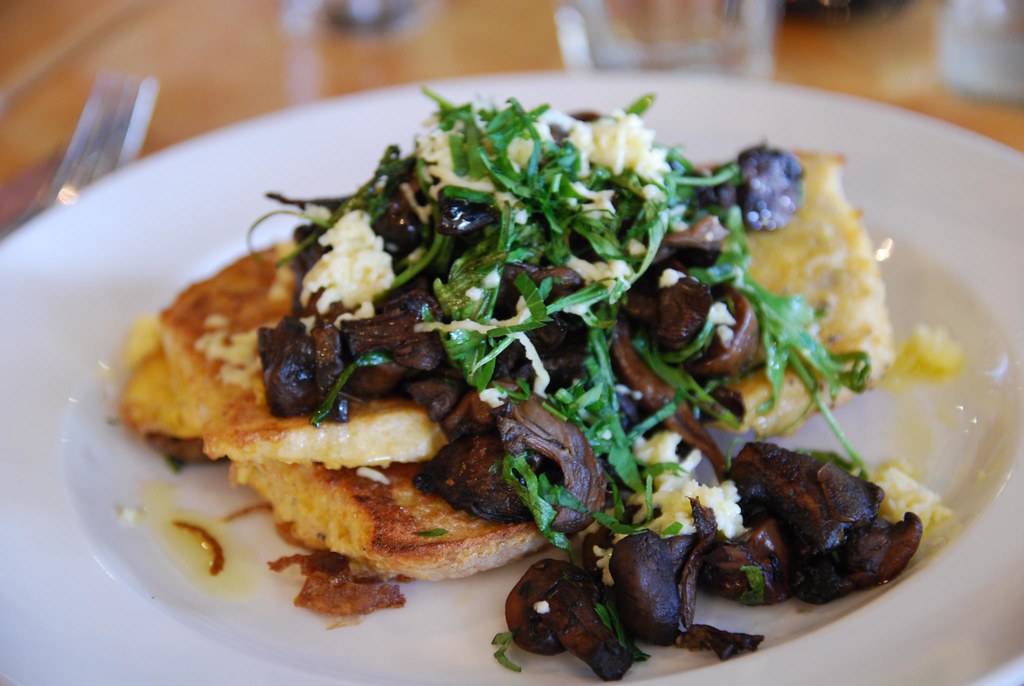
The second benefit is appetite control. Protein-rich breakfasts tend to be more filling than sweet, carbohydrate-heavy options, which can make it easier to listen to genuine hunger cues later in the day. This doesn’t mean we should all have a huge cooked breakfast; it could be as simple as eggs with vegetables, Greek-style yoghurt with nuts and seeds, avocado on wholegrain toast, or beans with mushrooms.
There is also a longer-term argument. Frequent blood-sugar spikes and crashes can place extra demand on the body’s metabolic systems. For people with diabetes, managing blood glucose is especially important, but most of us can benefit from meals that are less likely to send energy, mood and cravings on a rollercoaster.
I’ve noticed that my blood sugar control is much better, more stable and fewer spikes when I’ve had a savoury breakfast.
What to eat instead
A good savoury breakfast doesn’t need to be complicated. Aim for a source of protein, something with fibre, and a little fat. This could be scrambled eggs with spinach, beans on wholegrain toast, or a breakfast wrap with tofu, peppers and avocado.
I often cook extra when making my evening meal and then have a smaller portion for breakfast the following day, or eat leftover vegetables with tinned oily fish.
If you love sweet breakfasts, you don’t have to ban them forever, just make them more balanced: add nuts, seeds, yoghurt or nut butter to oats; choose whole fruit rather than juice; or eat fruit alongside a savoury plate rather than on its own. The small change is to stop making sugar the foundation of the meal.
A small change with a big effect
Changing breakfast can feel surprisingly powerful because it happens at the point where the day begins. Start with one swap: replace cereal with eggs, add beans to toast, or move from a fruit-only smoothie to a meal with protein and fibre. A savoury breakfast is not a diet rule; it is a practical way to give your body a steadier start.